Licensing, climate and ESG for decision makers.
Analysis on environmental licensing, impact management, climate, carbon and ESG, backed by public data and more than a decade of environmental consulting.
The blog also brings together WayCarbon’s article archive, published since 2016.
Most recent

WayCarbon celebrates its 20th anniversary and focuses on climate intelligence and natural capital for the next cycle
The growing regulatory requirements related to climate and sustainability are changing the way companies operate and access markets.

Why Metrics and Targets continue to matter in IFRS Sustainability Standards?
This series has covered the first three dimensions of IFRS S1 and S2 / CBPS 01 and CBPS 02: Governance, which defines who is responsible for overseeing…
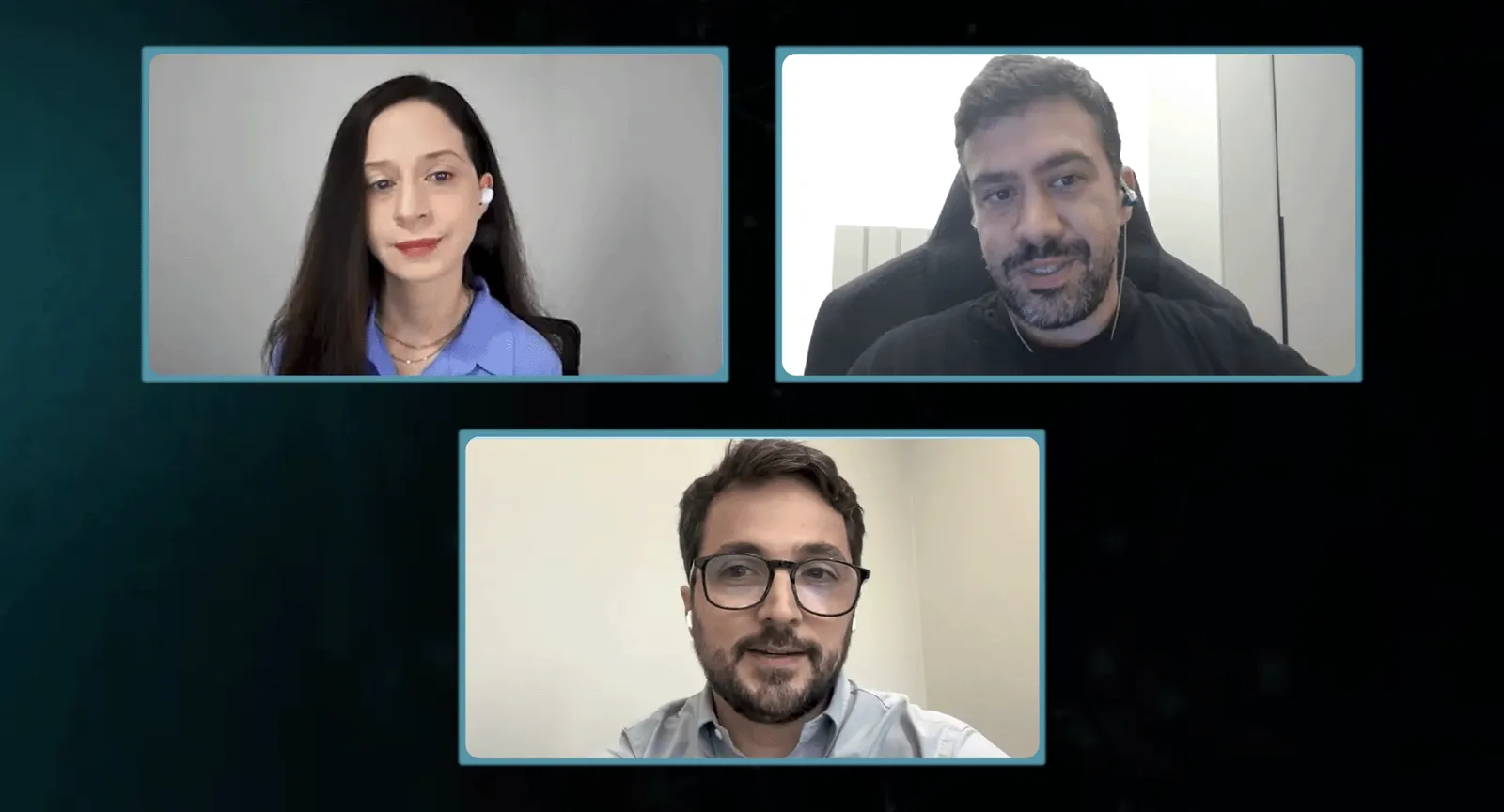
How Can Technology Reduce the Operational Burden of the ESG Agenda?
A decade ago, sustainability reports were annual surveys with a purely retrospective focus, compiled using spreadsheets and requiring significant operational…
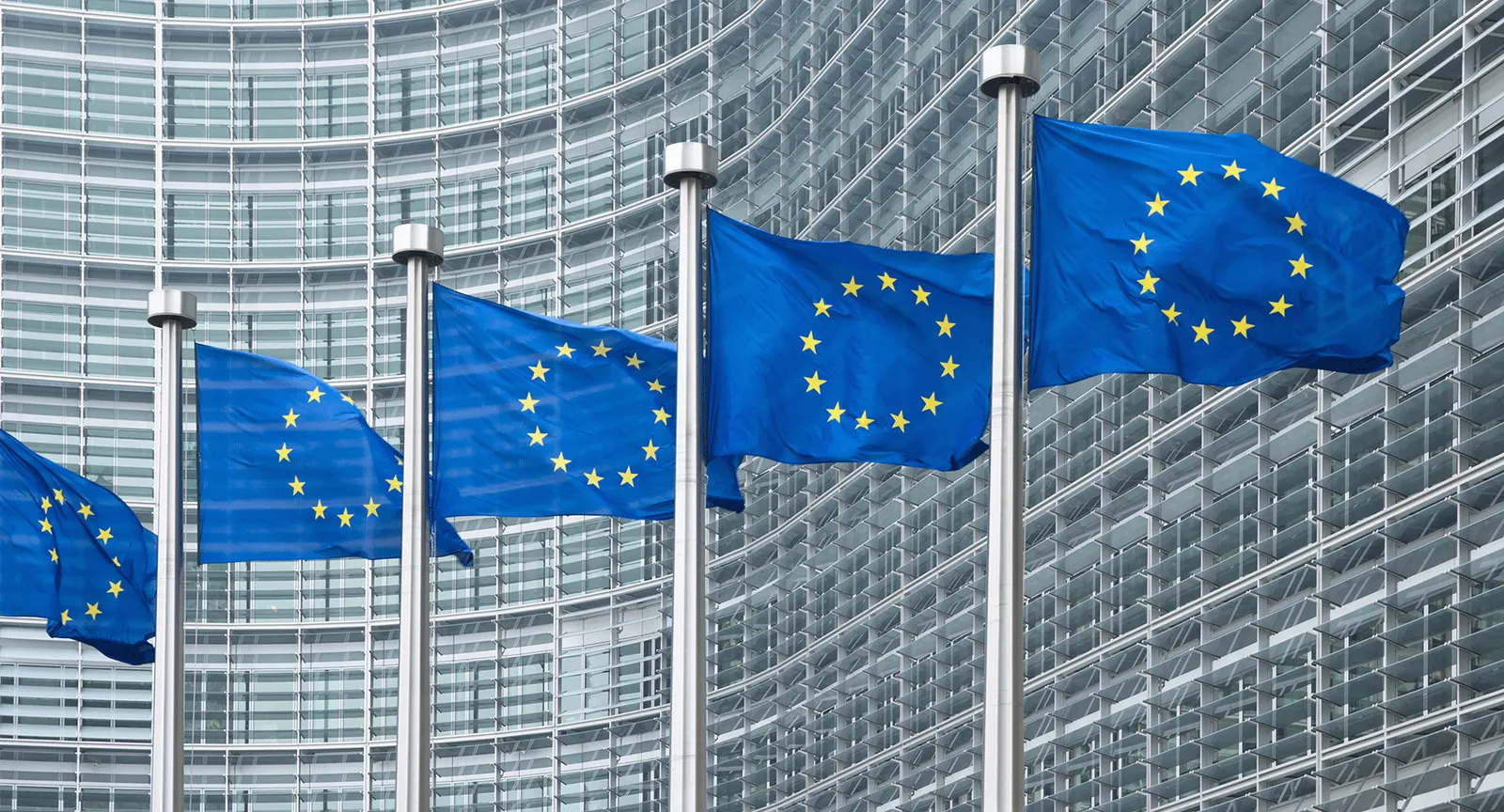
Seven months of the EU’s CBAM: what is the cost of not tracking emissions?
The European Union’s (EU) Carbon Border Adjustment Mechanism (CBAM) is a carbon border tax mechanism for products exported to the bloc.

Three key points: guide to climate change adaptation for industry
Climate change is one of the greatest challenges facing industry, with impacts on value chains, production operations, and the global competitiveness of…

New version of WayCarbon Ecosystem launched
Technology has been at the center of the climate and sustainability agenda for several years now, driving gains in productivity and improving the visibility of…
Environmental Management
Impact assessment, biodiversity and natural capital.

Nature and Climate: The urgency of integrated action to tackle the dual planetary crisis
The intensification of extreme weather events and the loss of global biodiversity are intertwined in an systemic crisis in nature and climate.

Resumption of the Biodiversity COP: main decisions
The United Nations Conference on Biodiversity, COP16, held in Cali, Colombia, last year, resumed between February 25 and 27, 2025 in Rome, Italy, at the…

COP16: Biodiversity in the spotlight
The implementation of the Global Biodiversity Framework (GBF) was one of the central themes of the 2024 edition of the United Nations Conference on…
Climate & Carbon
Emissions, inventories, carbon markets and the transition.
WayCarbon celebrates its 20th anniversary and focuses on climate intelligence and natural capital for the next cycle
The growing regulatory requirements related to climate and sustainability are changing the way companies operate and access markets.
How Can Technology Reduce the Operational Burden of the ESG Agenda?
A decade ago, sustainability reports were annual surveys with a purely retrospective focus, compiled using spreadsheets and requiring significant operational…
Seven months of the EU’s CBAM: what is the cost of not tracking emissions?
The European Union’s (EU) Carbon Border Adjustment Mechanism (CBAM) is a carbon border tax mechanism for products exported to the bloc.
Climate Risk & Adaptation
Vulnerability, resilience and adaptation planning.

Brazilian climate trasition guide: practical lessons for businesses and governments
Launched in March 2026, the Plano Clima is one of the Brazilian government’s key operational tools for guiding the country’s transition toward a low-carbon…
Three key points: guide to climate change adaptation for industry
Climate change is one of the greatest challenges facing industry, with impacts on value chains, production operations, and the global competitiveness of…
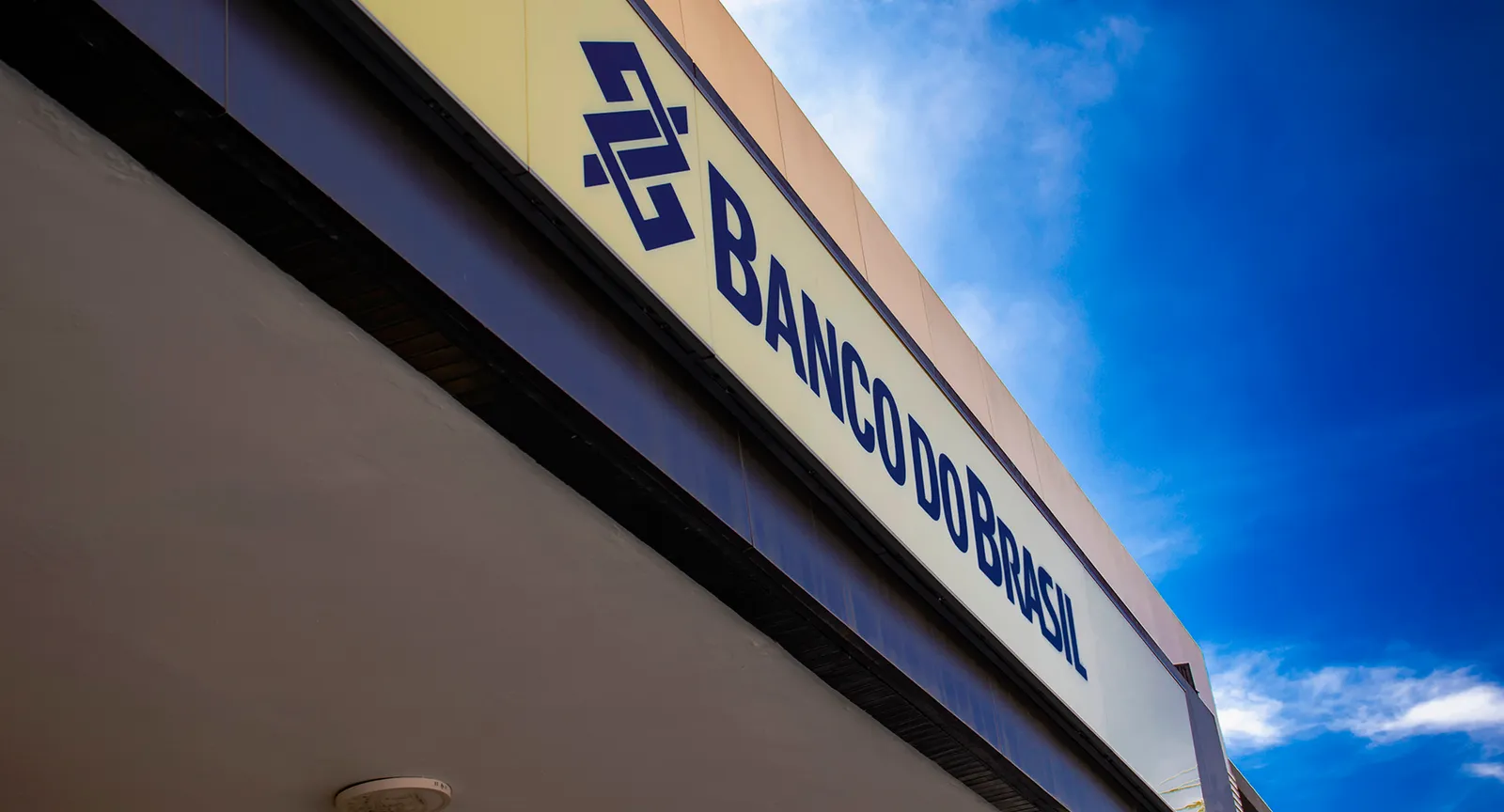
New program to support climate management in Brazilian municipalities
On May 20, Banco do Brasil announced the pre-launch of its ESG Advisory Service focused on Municipal Climate Management.
ESG & Sustainability
Strategy, reporting, regulation and sustainable finance.
Why Metrics and Targets continue to matter in IFRS Sustainability Standards?
This series has covered the first three dimensions of IFRS S1 and S2 / CBPS 01 and CBPS 02: Governance, which defines who is responsible for overseeing…

The Risk Management in IFRS S1 and S2 Standards
CVM Resolution No. 244 has reframed the debate on sustainability and climate reporting in Brazil.

The Strategy dimension of IFRS S1 and S2
In the previous article in this series on IFRS S1 and S2 , we addressed the Governance dimension, focusing on the structures responsible for overseeing…
All articles
139
- Brazilian climate trasition guide: practical lessons for businesses and governments
- WayCarbon celebrates its 20th anniversary and focuses on climate intelligence and natural capital for the next cycle
- Why Metrics and Targets continue to matter in IFRS Sustainability Standards?
- How Can Technology Reduce the Operational Burden of the ESG Agenda?
- Seven months of the EU’s CBAM: what is the cost of not tracking emissions?
- Three key points: guide to climate change adaptation for industry
- New version of WayCarbon Ecosystem launched
- How to raise funds through Eco Invest and Fundo Clima
- The Risk Management in IFRS S1 and S2 Standards
- New program to support climate management in Brazilian municipalities
- The Strategy dimension of IFRS S1 and S2
- What are the transition reliefs under IFRS S1 and S2?
- Report presents recommendations for the country’s regulated carbon market
- Integrating prudential risk management and sustainability disclosures in the banking sector
- Sustainability governance: how IFRS S1 and S2 are driving the agenda
- IFRS S1 and S2 in Brazil: Current Overview and Outlook
- Study Examines Decarbonization and the Competitiveness of Brazilian Industry
- The Carbon Market, Climate Transition, and WayCarbon’s Evolution
- Interview: the role of technology in the new phase of the sustainability agenda
- Strategic challenges of the year: climate finance and regulatory landscape
- Interview: what to expect from the climate risk agenda in 2026?
- Post-COP30 outlook and impacts
- Trends of the sustainability agenda in 2026
- Avoided emissions: Scope 4 as the new frontier in Climate Governance
- Status of the energy transition in 2025 and outlook for 2026
- The adaptation agenda and the private sector
- Adaptation indicators are approved at COP30
- COP30: Key Decisions and Impacts on the Private Sector
- Study analyzes demand for carbon credits in Brazil
- Decarbonization of the food sector: Dengo’s strategy
- Sustainable finance requires evidence: seeking real impact
- WayCarbon Talks: SBTi goals in practice
- New Ecosystem module focuses on Suppliers ESG Management
- WayCarbon is the only Latin American provider on the list of innovative solutions for carbon management
- WayCarbon Talks discusses climate transition plans
- Drivers to accelerate the decarbonization of the maritime-port sector
- Supplier engagement as a strategy to reduce indirect emissions
- Climate adaptation: the urgency that gains space at COP30
- How technology is redefining climate risk analysis
- The health sector and climate change: emissions management challenges
- Beyond SBTi: other protocols that support decarbonization
- Emissions management: key challenges for companies in Latin America
- Is your sustainability strategy integrated or does it just respond to reports?
- Nature and Climate: The urgency of integrated action to tackle the dual planetary crisis
- COP30, climate goals and the private sector
- The role of the electricity sector in the transition towards a low-carbon economy
- What information should I report under IFRS?
- Climate Risk Reporting: global trends and learnings
- Decarbonization Roadmap: concept and strategic value
- Will the regulated carbon market work in Brazil?
- CS3D: what are the impacts for the private sector?
- The role of financial institutions in climate action
- WayCarbon Talks: what to expect from the sustainability agenda in 2025?
- Key dates for the sustainability agenda in 2025
- Porto will be an unprecedented case in the calculation of insured emissions
- Resumption of the Biodiversity COP: main decisions
- Brazilian MRV has SBTi targets approved
- Understanding Scope 3 Screening
- Learn the difference between physical and transition climate risks
- Why is interoperability a trend in the sustainability agenda?
- COP29: progress on Article 6 of the Paris Agreement
- Decisions on climate change adaptation at COP29
- Interview: climate finance and COP29
- Climate and Sustainability: How can companies prepare for 2025?
- COP16: Biodiversity in the spotlight
- What does it mean to be included in Verdantix's Green Quadrant?
- Natural capital: risks and value creation
- The strategic role of climate transition plans
- What is the function of Climate Week in the climate debate?
- More companies are publishing GHG inventories
- How is Santander addressing financed emissions from agribusiness?
- A new WayCarbon in the “Era of Transition”
- The importance of sectoral inventories for the climate agenda
- Discover WayCarbon Ecosystem: Climate Risk Management
- Interview: Analyzing the customer’s voice brings valuable learnings
- Interview: Elera improves climate risk management
- Carbon credits: from generation to negotiation
- How do we apply geographic intelligence to carbon projects?
- How should cities prepare for extreme climate events?
- Challenges for the decarbonization of maritime transport
- 8 reasons to make your carbon inventory with Climas
- What does WayCarbon's entry into the IFRS Sustainability Alliance represent?
- LEBAM Program, innovation to reduce emissions from dairy farming
- The role of indirect emissions in decarbonization goals
- Climate resilience and construction: challenges and solutions
- 11 examples: how are cities dealing with climate risks?
- CBAM: How can companies prepare?
- Case Study: embedding Inclusion in Climate Action
- CSRD and the integration of sustainability in companies
- CCR Group is the first in the infrastructure sector in Brazil to have an approved SBT target
- What is the relationship between the regulated and voluntary carbon markets?
- WayCarbon's new approach to carbon projects
- Climate agenda trends in 2024
- COP28 marks historic progress toward global decarbonization
- WayCarbon delegation participates in debates and presents projects at COP28
- Interview with Sergio Margulis: financing climate adaptation at COP28
- GHG Protocol and the transparency in the climate agenda
- Interview: Órigo Energia and avoided emissions
- WayCarbon to attend COP28
- New study by WayCarbon and ICC Brasil focuses on carbon market regulation
- Interview: WayCarbon and ICC support the regulation of the Brazilian carbon market
- In 5 points: why is IFRS a step forward in sustainability reporting?
- Interview: Alpargatas' Learnings in the quest for decarbonization
- Climate Change and the Insurance Sector
- WayCarbon supports Globo's ESG and GHG management.
- Net Zero: WayCarbon implements decarbonization methodology into Climas
- Report assesses Brazil's potential for nature-based solutions
- Biodiversity and the TNFD: what do companies need to know?
- The Challenges of the Value Chain for Renewable Energy Companies
- WayCarbon listed among the world's most prominent climate change consulting providers
- How Sustainability Directors and CFOs can partner to develop a plan on climate change
- What is the social cost of carbon?
- Warnings about greenwashing narratives in climate commitments
- WayCarbon is selected for the NBS Brazil Alliance
- Advantages and challenges of the jurisdictional REDD+approach
- WayCarbon introduces new Customer Success area
- WayCarbon launches climate risk analysis tool for development banks
- WayCarbon attends conference at Unesco
- Double materiality in sustainability reports
- “Polycrisis” and regulatory changes
- What are the roles of companies in the carbon market?
- Interview: Shell pursues Net Zero with support from nature-based solutions
- Investments in climate management software will reach USD 1.7bi in 2023
- Carbon footprint as a positioning opportunity
- Environmental destruction: a problem with disproportionate consequences
- WayCarbon launches API for calculating fleet GHG emissions
- Decarbonization targets for the Forest, Agriculture and Land Use sectors
- Why is the ESG journey essential for IPO companies?
- What are the prerequisites for eligibility of a carbon credit?
- Climate risk identification: WayCarbon launches SaaS offer
- How is Dow dealing with climate change?
- Offsetting x Insetting: how to define a good strategy?
- Technology as an ally in managing the evolution of positive actions for business, the planet, and people
- Waycarbon conducts an unprecedented mapping of emissions from the Brazilian oil and gas sector
- A tecnologia como aliada na gestão da evolução das ações positivas para os negócios, o planeta e as pessoas
- Otimismo cede lugar à incerteza na COP27
- CCR Group goes forward in the climatic agenda
- How is carried out the study to assess the feasibility of an ESG financial product?
- O que é o Programa GHG Protocol? E por que devo participar?
Get new articles by email
Environmental licensing, climate and ESG, straight to your inbox. No spam.
Unsubscribe at any time.